
Journal · Financce · Saving
Save on groceries with unit pricing: how to spot the real bargain on the shelf
Bigger packs are not always cheaper. How to compare price per gram or per litre, avoid promotion traps and cut your grocery bill without eating worse.
 Goldmend Money
4 min read
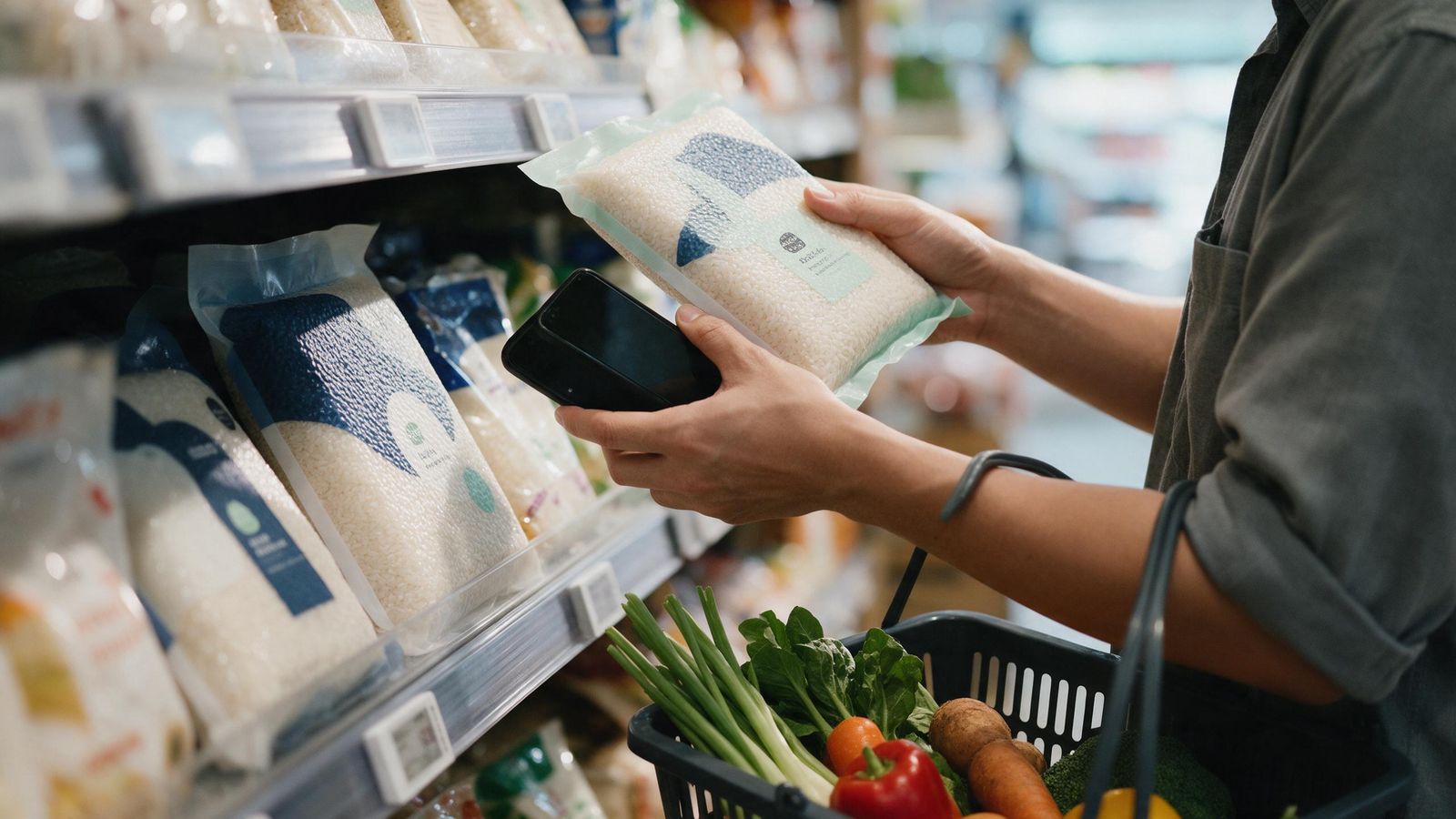
Groceries are one of the biggest flexible costs in most households. Unlike rent, you make dozens of small decisions about them every week. That means there is real room to save, without changing what your family eats.
One of the simplest tools is unit pricing: comparing products by the price per gram, per litre or per piece, instead of by the price on the sticker.
Why the sticker price misleads
Shops sell the same item in many sizes. A 400g pack, a 1kg pack, a twin pack, a "value" bag. The labels make comparing hard on purpose. Common traps:
- The bigger pack is not always cheaper per gram. Sometimes a mid-sized pack, or two small packs on promotion, works out cheaper.
- "Buy 2 for" deals can be worse value than a larger single pack.
- Shrinkflation. Packs get smaller while the price stays the same. The new pack may look identical.
- Different units. One brand is sold in grams, another in millilitres, a third by the piece.
How to work out unit price
The formula is simple:
Unit price = price ÷ quantity
Then compare the same unit across products.
Example: cooking oil
| Pack | Price | Size | Price per litre |
|---|---|---|---|
| A | S$3.50 | 1 L | S$3.50 |
| B | S$9.90 | 3 L | S$3.30 |
| C | S$16.40 | 5 L | S$3.28 |
Pack C is cheapest per litre, but only by 2 cents a litre over B. If you will not use 5 litres before it goes stale, B may be the better buy. Prices are examples only.
Example: dishwashing liquid on promotion
- Pack X: 900ml for S$3.90 → S$0.43 per 100ml
- Pack Y: "2 for S$5" at 500ml each → 1,000ml for S$5 → S$0.50 per 100ml
The promotion looks generous but is about 15% more expensive per 100ml.
Some supermarkets show unit prices on shelf labels. Check that they use the same unit for every product. Sometimes one label shows per 100g and the next shows per kg.
When bigger is not better
Unit price is the start of the decision, not the end. Also consider:
- Will you use it in time? Fresh food, oils, spices and sauces go off. Wasted food is the most expensive kind.
- Do you have space? A 10kg bag of rice is cheaper per kilo, but only if you can store it well.
- Can you afford the bigger outlay now? If it pushes you over budget this week, it may not be worth it.
- Quality and brand. A cheaper unit price for something your family will not eat is no saving.
Other ways to trim the grocery bill
- Make a list from what you have. Check the fridge and pantry first.
- Plan a few meals around what is on offer.
- Compare store brands. Many are made to similar standards for less.
- Shop wet markets for fresh produce if they are convenient and cheaper near you.
- Avoid shopping hungry. It really does make a difference.
- Track groceries separately from eating out. Mixing them hides where the money goes.
Track your progress
Saving on groceries is hard to feel week to week. A monthly budget for groceries, with a record of what you actually spend, shows whether new habits are working. Even saving S$20 a week is over S$1,000 a year.
Try it in Financce
- Open More → Calculators → Unit price compare while you are in the shop. Enter the price and size of each option to see which is cheaper.
- Set a Groceries budget on the Budgets tab. The bar turns amber at 80% and red when you go over.
- Log each shop with +. Use Repeat a recent one for your regular supermarket run.
- Check Reports and tap the Groceries category to see spending By month. Over a few months you will see whether your habits are paying off.
This article is general information, not financial advice.
 Try it in Financce, the Goldmend Money app for everyday money. Get Financce
General information, not financial advice. Figures are examples.
Next: Privacy and security for your money app: hide amounts, lock the app and keep backups